
What to remember
- Chest girth matters more than weight for most harnesses.
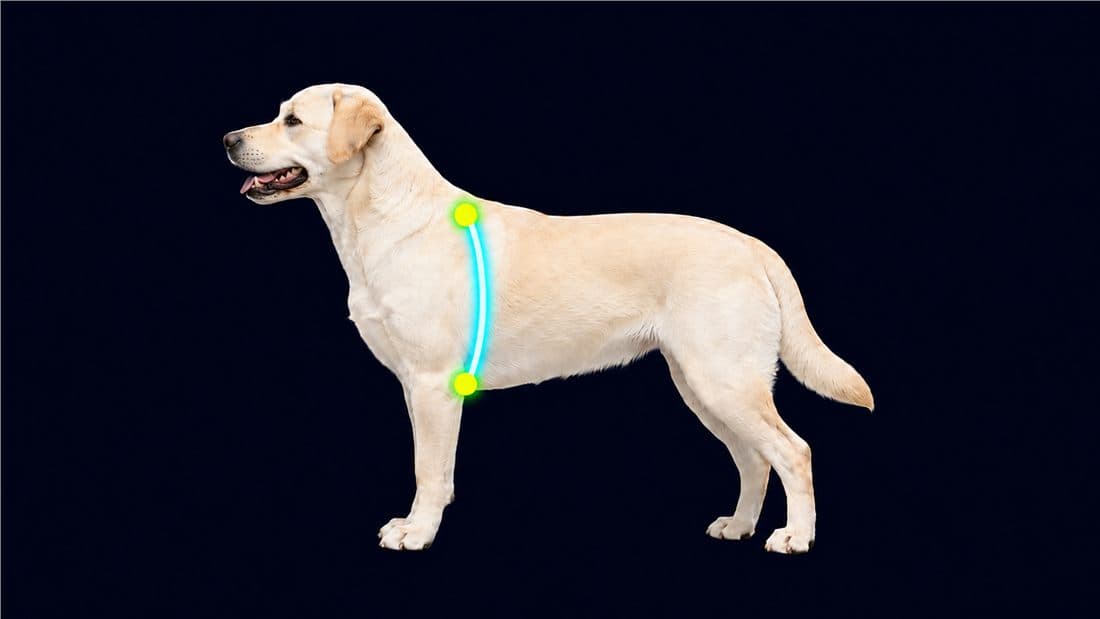
- Measure behind the front legs, not right under the armpits.
- A good harness should adjust securely without rubbing, gapping, or blocking shoulder movement.
Sizing Data Used On This Page
Harness measurements and checks
Measurement inputs
- Wrap the tape around the widest part of the chest.
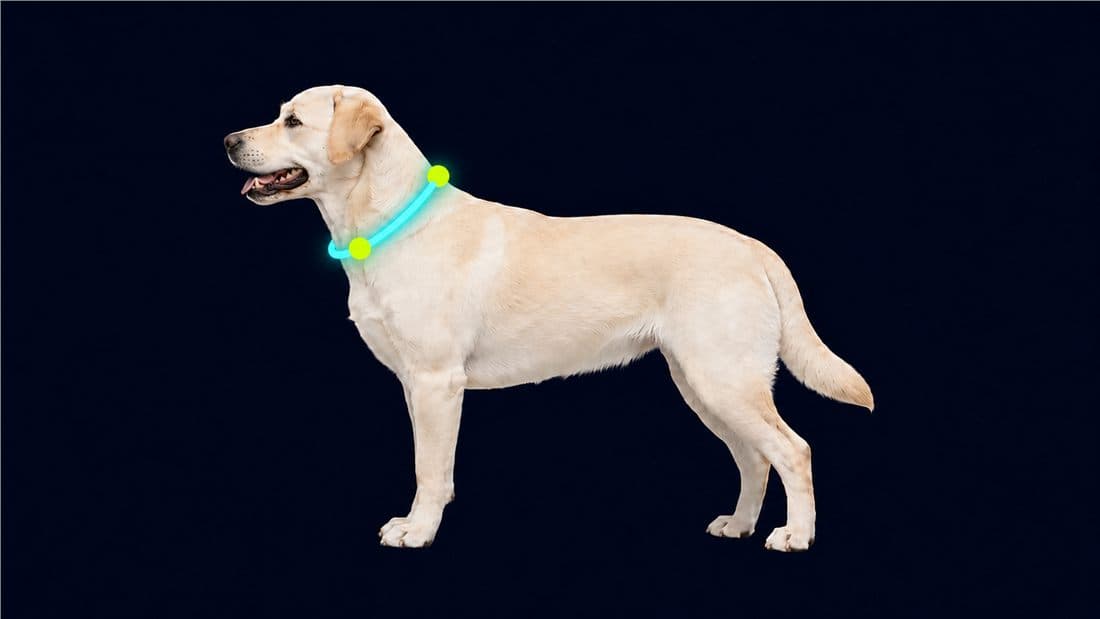
- Check the lower neck if the harness has a neck opening.
- Leave room for comfortable movement without gapping.
Common sizing mistakes
- Relying only on breed or weight.
- Measuring too close to the front legs.
- Ignoring coat thickness and seasonal grooming.
Fit checklist
- Chest strap sits behind front legs.
- Two fingers fit under straps.
- No rubbing at armpits.
- Clip and hardware are secure.
Useful product features
- Multiple adjustment points
- Soft everyday padding
- Front and back leash rings
- Reflective trim
Breed examples from the SizeMyPet dataset
French Bulldog
Small size category
Typical adult range: 16-28 lb
Golden Retriever
Large size category
Typical adult range: 55-75 lb
German Shepherd
Large size category
Typical adult range: 50-90 lb
Great Dane
Giant size category
Typical adult range: 110-175 lb
Dachshund
Small size category
Typical adult range: 11-32 lb
Pembroke Welsh Corgi
Small size category
Typical adult range: 22-31 lb
Start With Chest Girth
For most dog harnesses, chest girth is the measurement that decides whether the harness can sit securely. Wrap a soft tape around the widest part of the rib cage, usually a little behind the front legs. Keep the tape flat against the coat without pulling it tight.
- Measure while your dog is standing naturally.
- Keep the tape level around both sides of the rib cage.
- Write down the exact number before rounding for a brand chart.
Check Neck Opening
Some harnesses slip over the head, while others open around the neck. If the neck opening is fixed or limited, neck circumference can matter almost as much as chest girth. Measure where the harness will sit, not where a collar hangs loosely.
- Use neck circumference for step-in or over-head harness designs.
- Leave enough room for comfort, but avoid a loose front opening.
- For broad-headed breeds, confirm the harness can pass over the head if needed.
Use Weight as a Backup Check
Weight ranges can help you avoid an obviously wrong size, but they should not override actual body measurements. Two dogs with the same weight can have very different chest depth, coat thickness, and shoulder shape.
- Use weight to compare against the brand's safety range.
- Trust chest girth when it conflicts with a broad breed estimate.
- Recheck after grooming, weight changes, or puppy growth.
Fit Test Before Long Walks
After adjusting the harness, do a short indoor fit test. The chest strap should sit behind the front legs, the neck area should not press into the throat, and the harness should not rotate when light leash pressure is applied.
- Two fingers should fit under adjusted straps.
- No rubbing should appear behind the front legs.
- Hardware should sit flat and clip securely.
Common questions
What is the most important dog harness measurement?
Chest girth is usually the most important measurement because it controls whether the harness can wrap securely around the rib cage.
Should I size up if my dog is between harness sizes?
Size up only if the larger harness still adjusts securely without gapping, slipping, or rubbing behind the front legs.